
The Evolving Definition of Inventorship
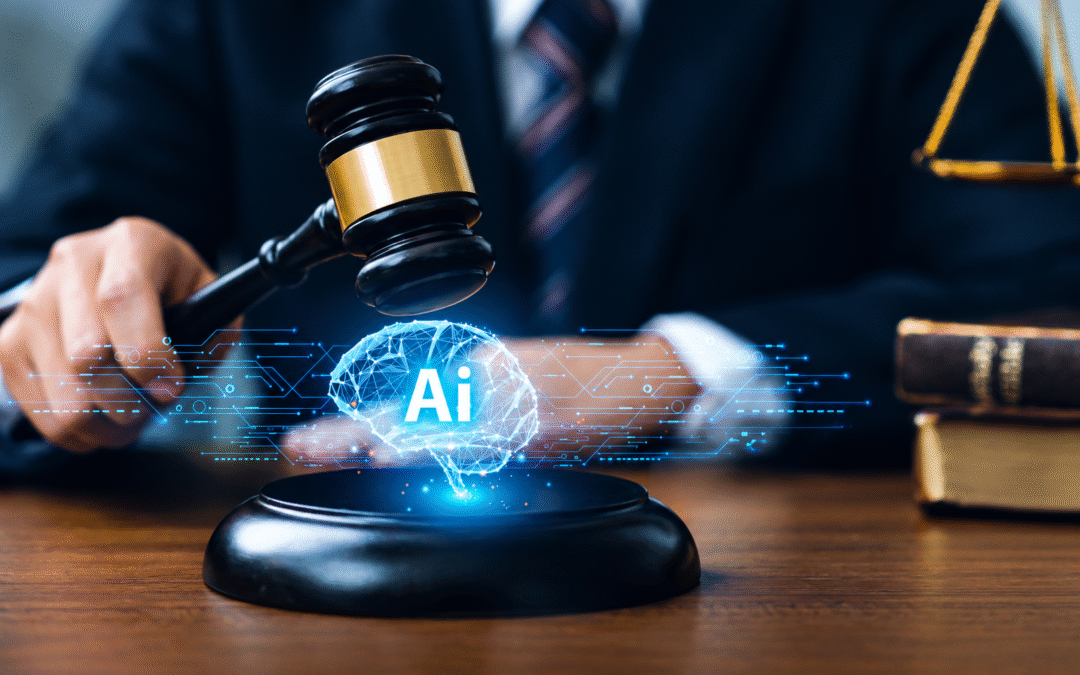
The rapid advancement of artificial intelligence has shifted the boundaries of what we consider inventive. Traditionally, patent law has been built on the foundation of human intellect. As AI systems assist in identifying new chemical compounds, optimizing engineering designs, and solving complex technical problems, the legal community is evaluating whether AI-generated output qualifies for patent protection.
Current patent frameworks in many jurisdictions generally require an inventor to be a natural person. This requirement is often cited as a means to ensure accountability and align with the intent of incentivizing human innovation. When a machine produces an output without significant human intervention, the path to obtaining a patent remains subject to ongoing legal interpretation.
Human Authorship and the Patent System
At the core of the debate surrounding AI-generated inventions and patent law is the concept of ‘inventorship.’ To be granted a patent, an applicant must generally demonstrate that a human contributed to the conception of the invention. If an AI performs the primary research and development, the human role may be reduced to providing the prompt or overseeing the machine, which may not meet the current standard for inventorship.
This creates a potential gap in protection. If an invention created by AI cannot be patented due to a lack of a human inventor, companies may need to evaluate alternative ways to secure their proprietary assets. For businesses that rely on trade secrets vs. patents, this uncertainty makes choosing the right protection strategy a critical business decision.
Challenges in Modern Patent Law
The integration of AI into the innovation cycle presents several challenges for patent offices and legal practitioners:
- Defining Human Contribution: Determining the threshold of human involvement necessary to qualify as an inventor.
- Disclosure Requirements: Deciding the extent to which the AI’s role must be disclosed during the patent application process.
- Ownership Rights: Establishing who owns the rights to an AI-generated invention—the software developer, the user, or the entity that trained the model.
As these technologies evolve, businesses should remain proactive. Much like understanding how to protect trade secrets when employees leave, companies should consider developing internal policies that document human involvement in AI-assisted projects to support potential patent claims.
The Future of Intellectual Property
The legal landscape regarding non-human inventors remains conservative, with courts and patent offices closely monitoring developments. For now, the focus remains on human-centric innovation, and the intersection of machine learning and intellectual property will likely require further legislative or judicial clarification.
Frequently Asked Questions
Can an AI be listed as an inventor on a patent?
In many major jurisdictions, current law requires an inventor to be a natural person. AI systems generally do not qualify as legal inventors under existing frameworks.
How does AI affect patent eligibility?
AI-assisted inventions are generally evaluated based on whether a human can demonstrate they provided the ‘conception’ or significant intellectual contribution to the invention.
Should I rely on patents or trade secrets for AI inventions?
This depends on your specific business goals. If you can maintain the secrecy of your AI models or processes, trade secret protection may be a viable alternative to the public disclosure required by the patent system.
Disclaimer: This article is provided for general informational purposes only and does not constitute legal advice. Laws and procedures may change, and the application of law depends on the specific facts and jurisdiction. Consult a qualified attorney regarding your situation.