
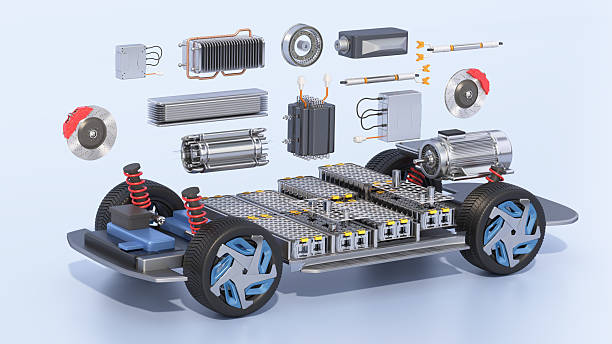
The Role of Power Management in EVs
The electric vehicle (EV) market continues to evolve. As manufacturers focus on range and charging efficiency, the power management system (PMS) has emerged as a central component of vehicle design. These systems regulate energy flow between the battery, motor, and auxiliary components. Developing a strategy for EV power management patents can be a consideration for companies seeking to protect their technological innovations.
Why Patent Strategy Matters
Innovation in battery efficiency, thermal management, and power conversion is ongoing. Without intellectual property protection, companies may face challenges regarding how competitors interact with their proprietary designs. Securing intellectual property rights can serve as a component of a broader strategy to manage risks associated with patent litigation. Defining the scope of technology through patent filings is one method used to establish rights in the marketplace.
Key Areas for Patent Focus
- Advanced battery management systems (BMS)
- Power electronics and inverter efficiency
- Regenerative braking control algorithms
- Thermal regulation and safety protocols
Focusing on these areas may help companies evaluate their core technologies. If you are assessing the strength of your current assets, consider conducting a patent portfolio audit to identify potential gaps in your coverage.
Navigating the Patent Landscape
The automotive industry frequently navigates complex intellectual property environments. As the industry shifts toward electrification, the volume of patent filings related to power management has increased. This density may lead to overlapping claims. Understanding the key stages of a patent infringement lawsuit can help companies prepare for potential challenges.
Strategies for Risk Mitigation
Proactive management is often used to address potential litigation. This may include performing freedom-to-operate searches before bringing new power management features to market. Additionally, maintaining documentation of the development process is standard practice. Should a dispute occur, these records may serve as evidence of independent development.
Conclusion
Protecting EV power management technology involves balancing innovation with legal considerations. By prioritizing strategic patent filings and conducting regular audits of your intellectual property, you can better position your company within the electric vehicle landscape. Consulting with legal counsel can help you navigate these processes effectively.
Frequently Asked Questions
Why is patenting EV power management systems distinct from other automotive patents?
EV power management often involves specialized software and hardware integration, which may require specific approaches to claim drafting compared to traditional mechanical automotive engineering.
How can I protect my innovations if I am not ready to file a patent?
In some cases, trade secret protection may be an alternative, though it does not provide the same type of exclusivity as a patent. You should consult with an attorney to weigh the pros and cons of trade secrets vs. patents for your specific technology.
This article is provided for general informational purposes only and does not constitute legal advice. Laws and procedures may change, and the application of law depends on the specific facts and jurisdiction. Consult a qualified attorney regarding your situation.