
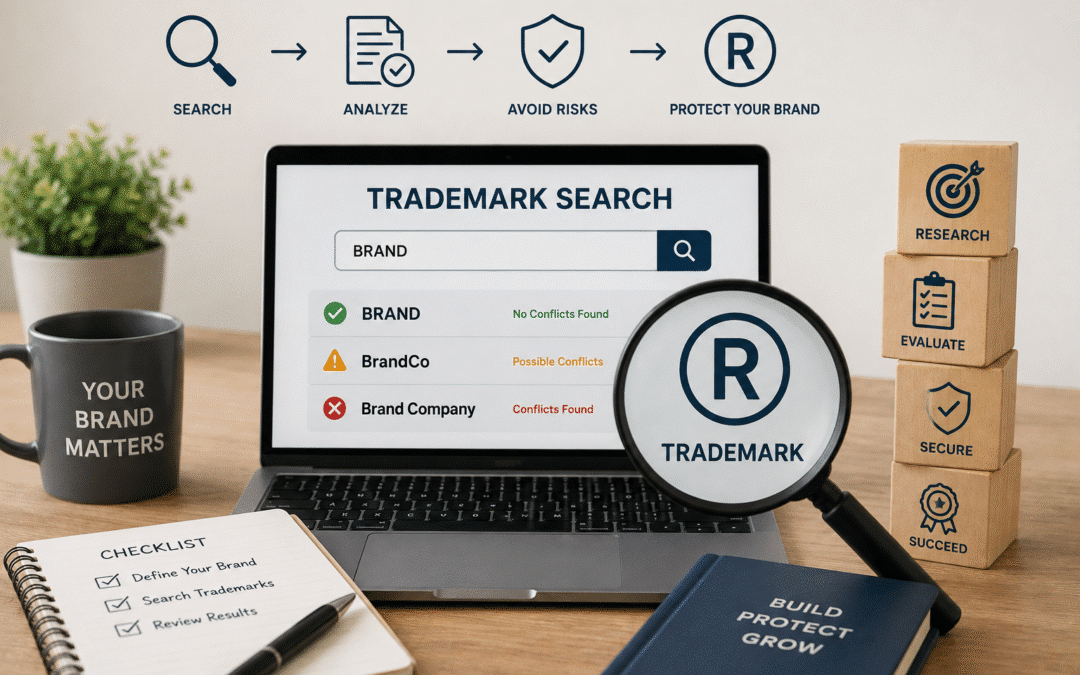
Why Trademark Searching Matters
Before you invest in logos, domain names, or marketing materials, you must ensure your chosen brand name is available. A trademark search is the process of checking existing databases to see if another entity already holds rights to a name or logo similar to yours. Failing to do this can lead to costly rebranding efforts or legal challenges regarding intellectual property rights.
Understanding the Trademark Search Process
The process of how to conduct a trademark search involves looking beyond just the exact spelling of a name. You must also consider phonetic similarities and visual similarities if you are using a logo. The primary goal is to determine if a ‘likelihood of confusion’ exists, which is the standard used by authorities to decide if one brand infringes upon another.
Step 1: Use the USPTO TESS Database
In the United States, the primary tool for this task is the Trademark Electronic Search System (TESS), now transitioned to the USPTO trademark search system. This database contains all pending and registered trademarks. You should search for your desired name, as well as variations and common misspellings.
Step 2: Broaden Your Search Scope
A search should not be limited to official government databases. You should also perform a general internet search to see if the name is being used in commerce, even if it is not formally registered. Unregistered trademarks can still carry common law rights that may prevent you from using your chosen brand name.
Step 3: Analyze the Results
Once you have a list of potential conflicts, analyze how closely they resemble your brand. If you find a similar name in the same industry, the risk of a conflict is significantly higher. For more complex cases, such as those involving digital assets, you might look at how courts handle emerging technology, similar to the issues discussed in our article on NFT trademark rights.
Practical Guidance for Brand Owners
- Keep a detailed log of your search process for your records.
- Search for both the word mark and any associated design elements.
- Consider the ‘class’ of goods or services associated with the trademark.
- Consult with a legal professional if you find a potential conflict that you are unsure how to navigate.
By taking the time to research properly, you protect the long-term viability of your business. If you are unsure about the results you find, remember that professional guidance is often the safest path forward. For more information on protecting your creative assets, visit our home page to explore our full range of services.
Conclusion
Learning how to conduct a trademark search is a foundational step in building a sustainable brand. By identifying potential conflicts early, you save time, money, and stress. While self-searching is a great start, always consider the value of professional legal counsel to ensure your brand identity is fully protected.
Frequently Asked Questions
Is a trademark search mandatory? While not legally mandatory, it is highly recommended to avoid infringement claims.
Can I search for trademarks myself? Yes, you can use public databases, but professional searches are more comprehensive.
What if I find a similar trademark? You should consult an intellectual property attorney to assess the risk of confusion.