
The Intersection of Generative AI and Brand Identity
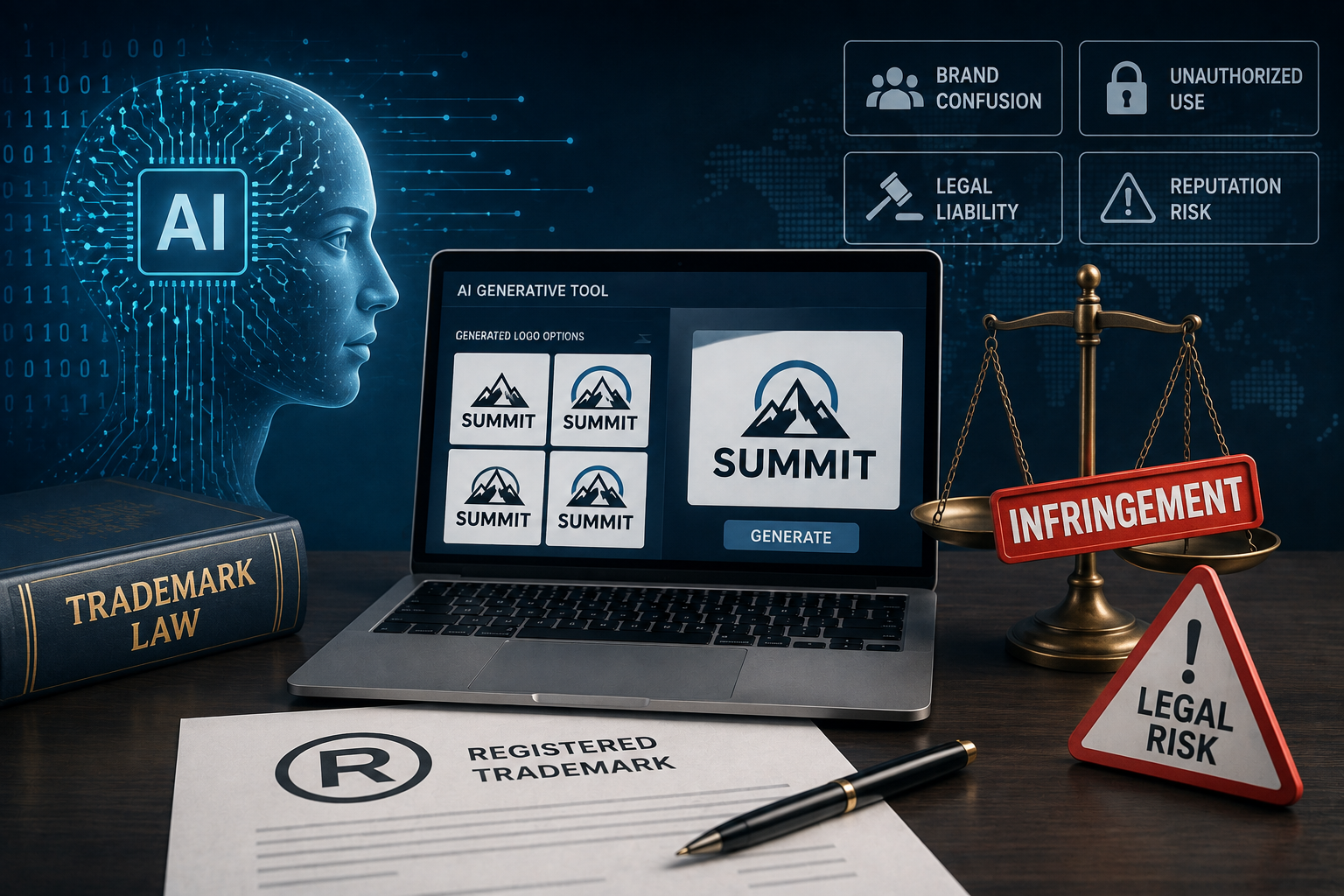
The rapid adoption of generative artificial intelligence has fundamentally altered how businesses create marketing materials, logos, and product designs. While these tools offer efficiency, they also introduce significant AI trademark infringement risks that legal teams must navigate. When an AI model generates content based on existing datasets, it may inadvertently replicate protected marks, leading to potential legal exposure for the end user.
How AI Models Create Trademark Conflicts
Trademark law is designed to prevent consumer confusion. AI systems, however, operate on pattern recognition rather than legal intent. If an AI tool generates a logo that is confusingly similar to an established brand, the resulting infringement remains a liability for the company that publishes or uses that image. This is particularly concerning for startups and small businesses that may rely heavily on automated design tools without conducting comprehensive trademark clearance searches.
The Role of Prompt Engineering
Users often provide prompts that inadvertently request the recreation of famous brand elements. By asking an AI to create a design in the style of a well-known company, users risk generating assets that mirror protected trade dress or logos. Understanding that AI outputs are not inherently ‘cleared’ for commercial use is the first step in risk mitigation.
Strategies for Mitigating AI Trademark Infringement Risks
Protecting your brand requires a proactive approach to intellectual property management. Relying solely on AI for creative output without human oversight is a recipe for legal complications. Consider the following steps to safeguard your brand:
- Conduct thorough trademark clearance searches for all AI-generated assets before public use.
- Implement internal guidelines for AI usage, ensuring that employees understand the risks of generating content that mimics competitors.
- Monitor for unauthorized use of your own brand marks, as AI tools may be used by third parties to generate infringing ‘lookalike’ products.
- Consult with legal professionals to determine if your specific use case requires human-designed assets to ensure full copyright and trademark protection.
For those navigating the intersection of new technology and law, it is helpful to look at how other digital assets have been treated, such as the legal questions surrounding NFTs and trademark rights, which highlight the ongoing evolution of IP enforcement in digital spaces.
The Future of IP Enforcement
As AI technology advances, so too will the mechanisms for detecting infringement. Brands should anticipate a future where automated monitoring tools become essential for maintaining market exclusivity. While the technology changes, the fundamental legal principles regarding consumer confusion and source identification remain constant. Protecting your brand in the age of AI is not just about avoiding litigation; it is about maintaining the integrity of your identity in a crowded digital marketplace.
Frequently Asked Questions
Can I be held liable for AI-generated trademark infringement?
Yes. In most jurisdictions, the entity that publishes or uses the infringing material is responsible for the infringement, regardless of whether the asset was created by a human or an AI model.
How do I protect my brand from AI-generated lookalikes?
Consistent monitoring of your trademark portfolio is essential. If you identify infringing content, standard enforcement procedures—such as cease and desist letters—remain the primary method for protecting your rights, even when the content is AI-generated.
Should I register my AI-generated designs?
Trademark registration depends on the distinctiveness of the mark. However, ensure that your design does not violate existing rights before attempting to register it, as AI-generated works may face unique challenges in demonstrating original authorship.
Conclusion
The rise of generative AI presents both opportunities and challenges for brand protection. By recognizing the risks associated with AI-generated content and maintaining rigorous clearance procedures, businesses can leverage new tools without compromising their intellectual property. For more information on protecting your brand, visit our home page to learn about our comprehensive legal services.