
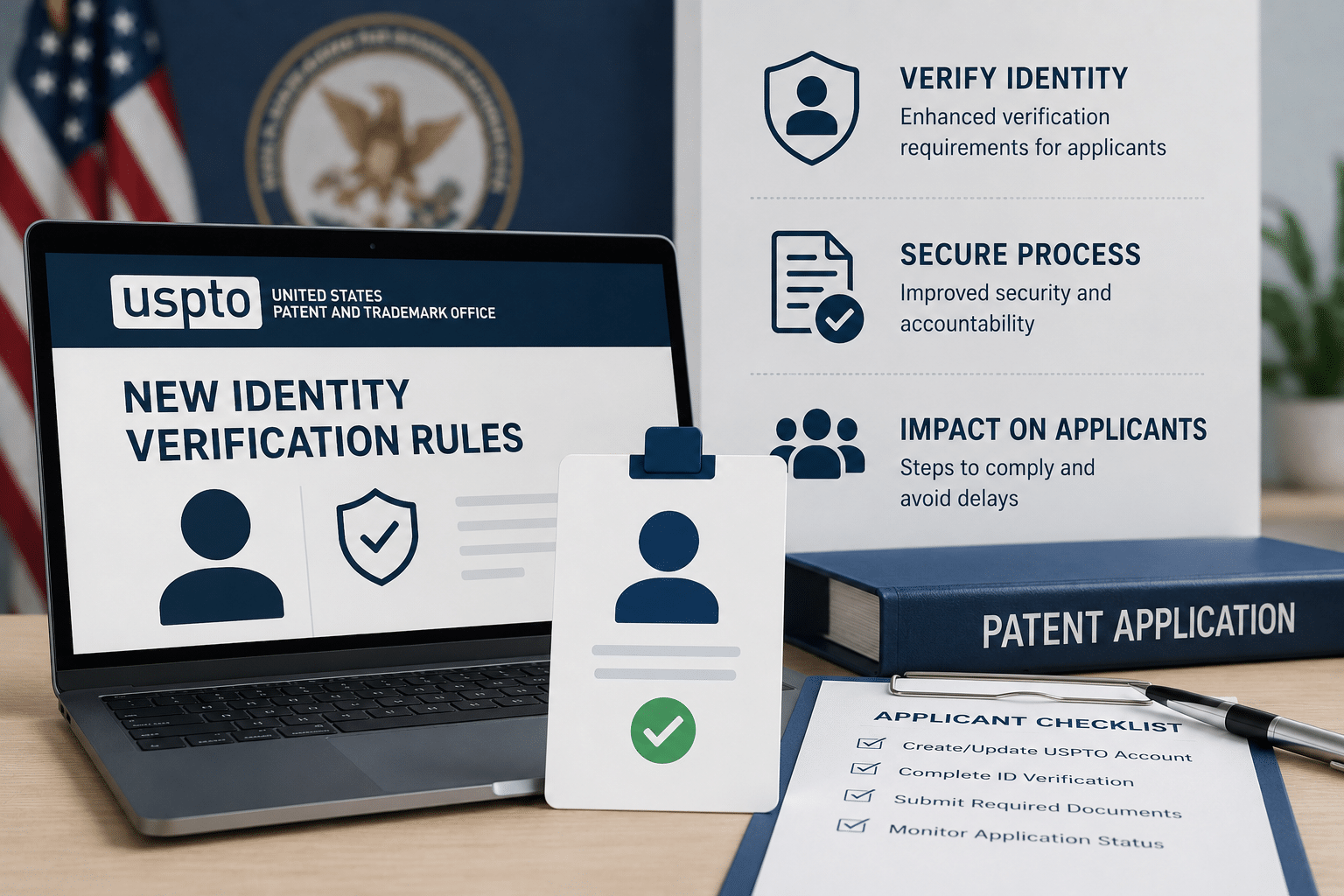
Understanding the USPTO Identity Verification Requirements
The United States Patent and Trademark Office (USPTO) has implemented rigorous identity verification requirements to maintain the integrity of the federal trademark register. As digital filing systems become more sophisticated, the office has prioritized measures to prevent fraudulent filings and unauthorized activity. For applicants, this means that proving who you are is just as important as the trademark application itself.
These procedures are designed to ensure that every individual or entity filing for federal protection is legitimate. By requiring verified identity documentation, the USPTO aims to reduce the volume of spam and deceptive filings that have historically plagued the system. Whether you are an individual entrepreneur or a business owner, you must be prepared to satisfy these protocols to avoid processing delays.
Why Identity Verification Matters for Your Filing
The primary goal of these requirements is security. When you submit a trademark application, you are seeking a legal right that carries significant value. The USPTO must ensure that the person signing the application is the actual applicant or a properly authorized representative. Failure to comply with these identity verification requirements can lead to the immediate rejection of your filing or the issuance of an Office Action, which adds time and expense to the process.
The Role of MyUSPTO Accounts
Most applicants now interact with the system through a MyUSPTO account. The verification process is often integrated into the account setup or the initial filing sequence. It is essential to use your own credentials rather than sharing accounts, as the USPTO tracks the identity associated with each specific login. If you are working with legal counsel, ensure they are using their own verified practitioner account to manage your filings.
Practical Steps to Meet Compliance Standards
To ensure your application moves forward without unnecessary hurdles, consider the following steps:
- Use a unique email address associated with your personal or business identity.
- Ensure all contact information provided in your trademark application matches the identity documents you provide to the USPTO.
- Respond promptly to any requests for identity verification sent by the office.
- If you are working with an attorney, verify that they are in good standing and using their own verified credentials to submit your application.
For more insights on how recent legal shifts affect your intellectual property, you can review our discussion on recent trademark rulings to see how the landscape is changing.
Common Pitfalls to Avoid
Many applicants mistakenly believe that identity verification is a one-time task. However, the USPTO may request re-verification if there are inconsistencies in your filing history or if your account shows suspicious activity. Avoid using third-party services that promise to handle your filing without requiring your personal verification, as this often leads to non-compliance with USPTO standards.
Conclusion
The USPTO identity verification requirements are a necessary evolution in trademark law, designed to protect the value of your brand. By understanding these rules and ensuring your information is accurate and verifiable, you protect your application from unnecessary scrutiny. If you are unsure about the specific requirements for your situation, it is always wise to consult with a qualified legal professional to ensure your filings are handled correctly. You can learn more about our firm and services at our home page.
Frequently Asked Questions
Do I have to verify my identity for every trademark application?
Generally, once your MyUSPTO account is verified, you do not need to repeat the process for every single filing, provided your information remains consistent.
What happens if I fail the identity verification process?
If you fail to verify your identity, your application may be suspended or denied. You will typically receive an Office Action outlining the steps you must take to rectify the issue.
Can a lawyer verify their identity on my behalf?
An attorney must verify their own identity as a practitioner. While they handle the submission, the USPTO requires that the individual submitting the documents is properly authenticated.