
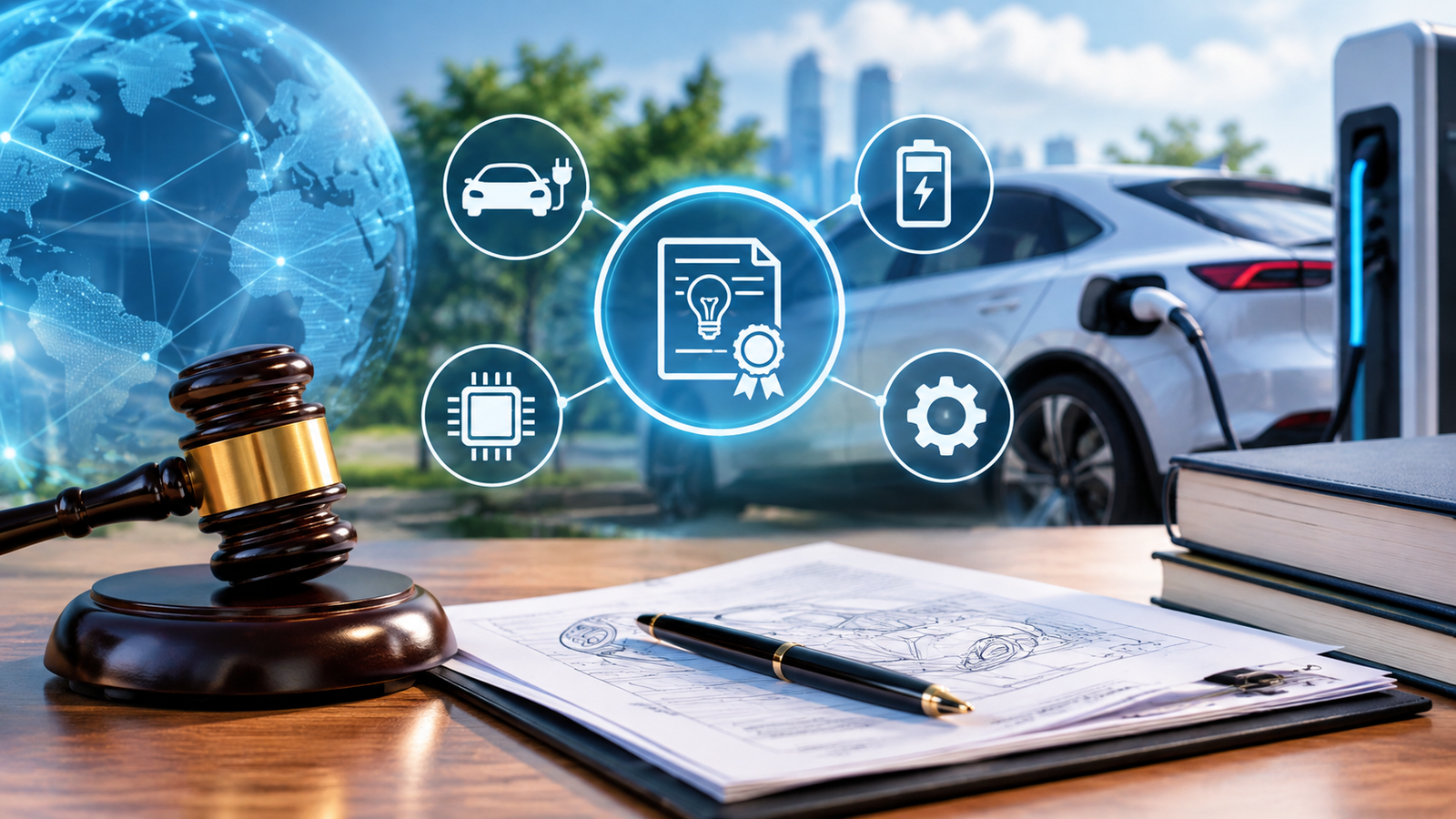
Understanding Standard-Essential Patents in the EV Industry
The growth of electric vehicles (EVs) involves the integration of complex technologies, including charging protocols and wireless communication systems. Many of these technologies are governed by industry standards. Patents that are necessary to implement these standards are known as EV standard-essential patents (SEPs). When a patent is identified as essential to a standard, manufacturers seeking to comply with that standard may need to obtain a license from the patent holder.
The Intersection of Standardization and Patent Rights
Standardization enables interoperability between components from different manufacturers. This process creates a specific legal environment regarding patent rights. Companies that implement technology subject to industry standards should be aware of their licensing obligations. Proactive portfolio management can help mitigate risks, as discussed in our guide on the key stages of a patent infringement lawsuit.
The Role of FRAND Licensing
Many standard-setting organizations request that patent holders commit to licensing their SEPs on Fair, Reasonable, and Non-Discriminatory (FRAND) terms. This framework is intended to balance the interests of patent holders and the accessibility of standardized technology. Determining the application of FRAND terms can be a complex process. If your business is evaluating its position, a patent portfolio audit may assist in identifying potential exposure.
Litigation Considerations for EV Manufacturers
As the electric vehicle market evolves, intellectual property disputes may arise. Because SEPs are integrated into vehicle functionality, disagreements regarding licensing or infringement can present operational and financial considerations. It is important to consider the costs of patent litigation when preparing for potential legal challenges. Managing intellectual property while addressing the rights of others is a component of long-term business strategy.
Strategic Considerations
When developing new EV technology, consider the following:
- Identify whether your technology incorporates existing industry standards.
- Review licensing requirements for any SEPs relevant to your technology.
- Document your development process to maintain records of your innovation.
- Consult with legal counsel to evaluate your licensing agreements and overall IP strategy.
Conclusion
Standard-essential patents are a factor in the electric vehicle industry. Understanding the relationship between innovation and licensing obligations can help companies address potential risks. Proactive IP strategy is a method for safeguarding investments. If you require assistance with patent matters, legal counsel can help you navigate these complex issues.
This article is provided for general informational purposes only and does not constitute legal advice. Laws and procedures may change, and the application of law depends on the specific facts and jurisdiction. Consult a qualified attorney regarding your situation.