
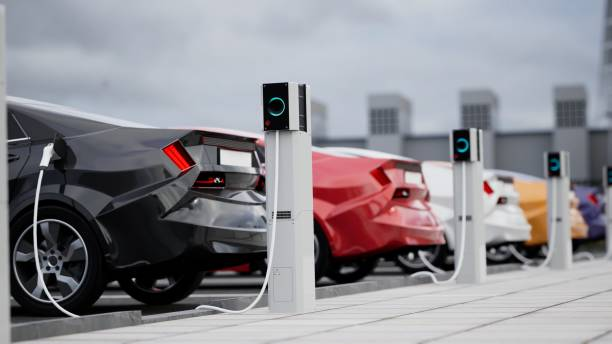
The rapid expansion of the electric vehicle (EV) market has brought significant attention to the underlying technology powering the transition to sustainable transportation. As charging infrastructure becomes ubiquitous, companies face increasing scrutiny regarding their proprietary systems. Navigating EV charging patent infringement claims requires a proactive approach to intellectual property management and a clear understanding of the litigation landscape.
The Growing Complexity of EV Charging IP
Innovations in EV charging—ranging from rapid-charging hardware to grid-integration software—are often protected by extensive patent portfolios. As more players enter the market, the likelihood of overlapping claims increases. Companies must recognize that even unintentional use of patented technology can lead to formal legal challenges, potentially disrupting operations and impacting market valuation.
Identifying Potential Infringement Risks
Before launching new charging solutions, businesses should conduct thorough due diligence. Relying on patent portfolio audits helps identify potential conflicts early. By understanding the competitive landscape, companies can make informed decisions about design-around strategies or licensing agreements before a dispute escalates.
Strategic Responses to Infringement Allegations
When a company receives notice of a potential patent infringement, the immediate reaction should be analytical rather than reactive. Understanding the key stages of a patent infringement lawsuit is essential for developing a defense. The process often begins with assessing the validity of the patent in question and determining if the accused product actually practices the claims of that patent.
Defensive Measures for EV Infrastructure Providers
- Claim Construction Analysis: Review how courts interpret the specific language used in the asserted patent claims.
- Prior Art Searches: Investigate whether the technology in question was already known or obvious at the time of the patent filing.
- Licensing Negotiations: Explore whether a reasonable licensing arrangement can resolve the dispute without prolonged litigation.
The Role of Litigation in the Green Tech Sector
While litigation is often viewed as a last resort, it remains a critical tool for protecting investments in green technology. Companies that have invested heavily in R&D must be prepared to defend their intellectual property. However, the costs associated with legal proceedings are significant. Budgeting for these expenses is a standard part of patent litigation, and businesses should be prepared for the financial implications of such disputes.
Conclusion
The EV charging sector is a high-stakes environment where intellectual property is a primary driver of competitive advantage. By prioritizing due diligence, conducting regular portfolio audits, and understanding the mechanics of patent law, companies can better protect their innovations and navigate the risks of infringement claims effectively. Consultation with experienced legal counsel is necessary to ensure that your business strategy aligns with current legal standards.
This article is provided for general informational purposes only and does not constitute legal advice. Laws and procedures may change, and the application of law depends on the specific facts and jurisdiction. Consult a qualified attorney regarding your situation.