
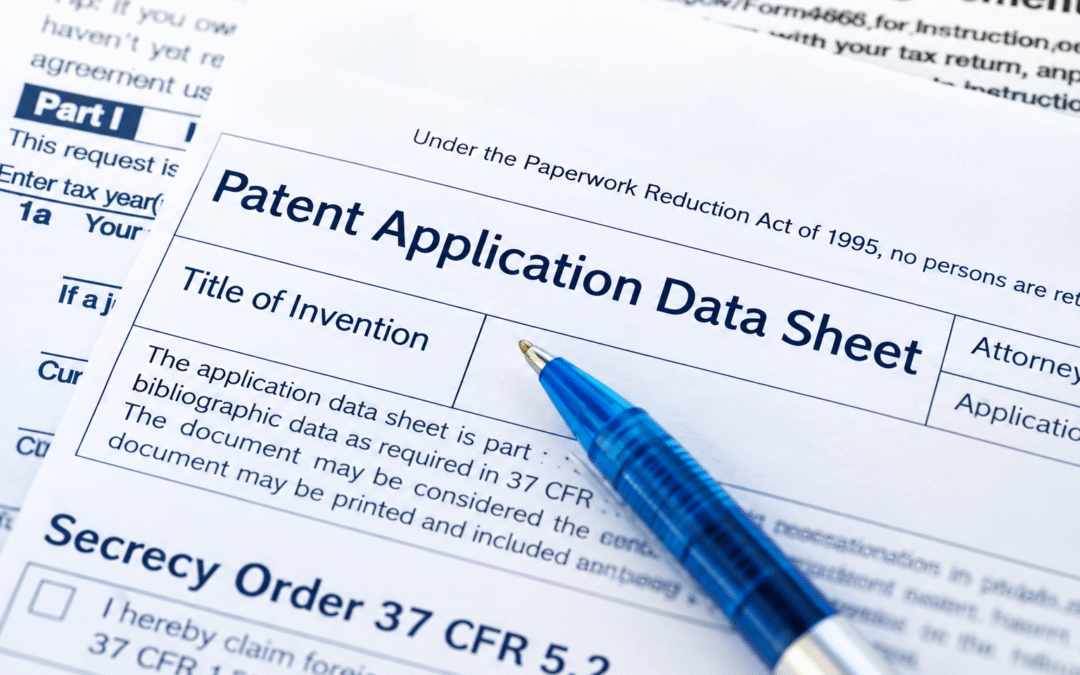
Understanding the Provisional Patent Application
A provisional patent application is a filing with the United States Patent and Trademark Office (USPTO) that establishes an initial filing date for an invention. This filing is intended to be a foundational step rather than a request for a patent grant. A provisional application is not examined by a patent examiner and does not mature into an issued patent on its own. The primary function of this filing is to establish a priority date. It provides a 12-month period during which an inventor may refine their invention or assess its market viability. If an inventor chooses not to file a corresponding non-provisional application within that 12-month period, the provisional application expires. For more context on how different protection strategies compare, you may review information on trade secrets vs. patents.
The Non-Provisional Patent Application
A non-provisional patent application is the formal request for a utility patent. This document undergoes a substantive examination process by the USPTO. It must satisfy specific statutory requirements, including detailed claims, technical drawings, and a comprehensive description of the invention. As this application undergoes a formal examination, it is the process required to potentially receive a patent grant. When evaluating your intellectual property strategy, it is useful to understand the full scope of your options, including what qualifies as a trade secret.
Key Differences at a Glance
- Examination: Provisional applications are not examined by the USPTO; non-provisional applications undergo a full examination process.
- Cost: Provisional filings involve different government fee structures compared to non-provisional filings.
- Duration: A provisional application is valid for 12 months and cannot be extended.
- Outcome: Only a non-provisional application can result in an issued patent.
Which Path Should You Choose?
The decision between these filings often depends on the stage of an invention’s development. If an inventor requires additional time to finalize a design or evaluate commercial potential, a provisional application may be used to establish a priority date. If an invention is fully developed, a non-provisional application may be filed directly. Understanding how these filings interact with other legal protections, such as those related to trade secret misappropriation, is a component of a comprehensive intellectual property strategy.
Frequently Asked Questions
Does a provisional patent become a patent automatically?
No. A provisional application is a temporary filing. To attempt to obtain a patent, an applicant must file a non-provisional application within 12 months of the provisional filing date and properly claim the benefit of that earlier date.
Can I file a non-provisional application without a provisional one?
Yes. There is no requirement to file a provisional application before filing a non-provisional application.
What happens if I miss the 12-month deadline?
If a non-provisional application is not filed within the 12-month window, the benefit of the earlier filing date associated with the provisional application is generally lost.
Disclaimer: This article is provided for general informational purposes only and does not constitute legal advice. Laws and procedures may change, and the application of law depends on the specific facts and jurisdiction. Consult a qualified attorney regarding your situation.