
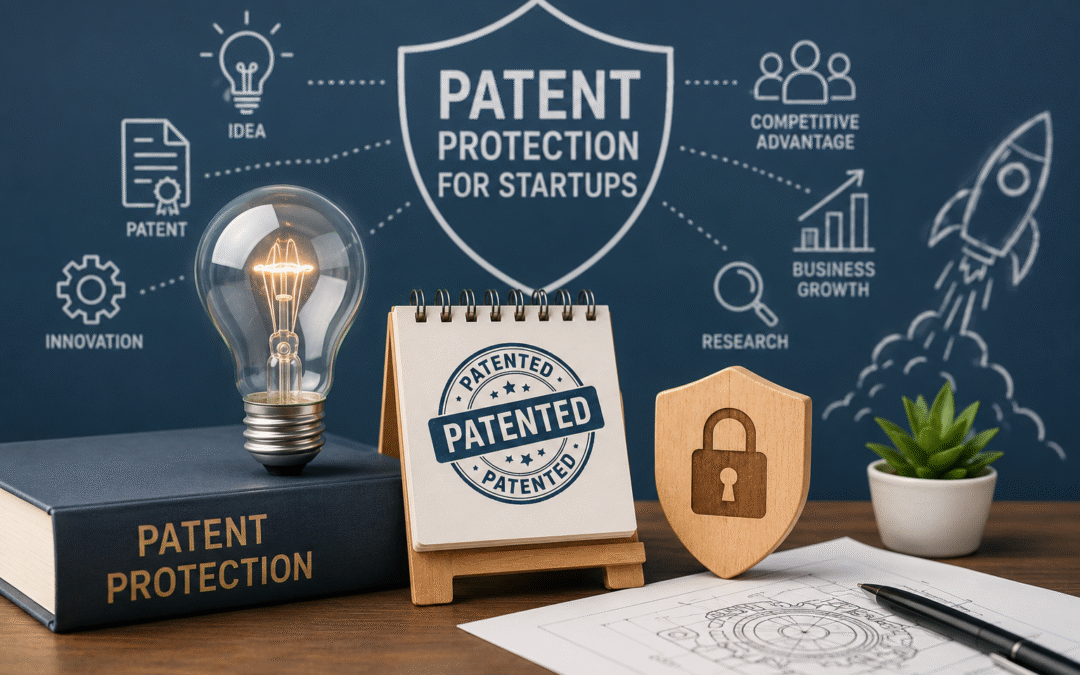
Why Patent Protection Matters for Tech Startups
For many tech startups, the most valuable assets are not physical equipment or office space, but the intangible innovations that set them apart from competitors. Intellectual property rights form the bedrock of a company’s valuation and long-term viability. Without proper protection, your unique technology could be copied, undermining your ability to capture market share.
Understanding the Basics of Patents
A patent is a legal grant that provides the owner with the exclusive right to exclude others from making, using, or selling an invention for a limited period. For startups, securing a patent is more than just a legal formality; it is a strategic move to create barriers to entry for competitors and to provide a tangible asset that investors look for during funding rounds.
Utility Patents vs. Design Patents
In the tech sector, utility patents are the most common. These cover the functional aspects of a process, machine, or composition of matter. If your startup has developed a new software algorithm or a unique hardware component, a utility patent is likely your primary goal. Design patents, by contrast, protect the ornamental design of a functional item. While less common for pure software startups, they can be vital for hardware-focused companies.
The Patent Application Process
The journey to obtaining a patent is rigorous. It begins with a comprehensive patentability search to ensure that your invention is truly novel and non-obvious. Once you determine that your technology is unique, you must file a formal application with the relevant patent office. This application requires a detailed description of the invention, often supported by technical drawings and claims that define the scope of your legal protection.
Provisional vs. Non-Provisional Applications
Startups often start with a provisional patent application. This serves as a placeholder, establishing an early filing date while providing a 12-month window to further develop the technology and assess its market viability before committing to the more expensive and complex non-provisional application process.
Strategic Considerations for Founders
Securing IP is a balancing act between cost and protection. Before investing significant capital, evaluate the commercial potential of your invention. Not every innovation requires a patent; sometimes, trade secret protection is a more effective strategy for internal processes that cannot be easily reverse-engineered.
As you build your IP portfolio, it is essential to stay informed about the evolving legal landscape. For example, understanding how digital assets intersect with existing laws is crucial, as seen in discussions regarding trademark rights and digital innovation. Monitoring these trends helps you anticipate how courts may view your own intellectual property in the future.
Building a Culture of Intellectual Property
Patent protection is not a one-time event; it is an ongoing process. Ensure that your startup has clear agreements with employees and contractors regarding the ownership of inventions created during their tenure. IP assignment agreements are critical to ensure that the company, rather than the individual developer, owns the rights to the technology.
Conclusion
For tech startups, patent protection is a vital component of a successful business strategy. By securing your innovations, you protect your competitive advantage and increase the long-term value of your company. If you are ready to explore your options for safeguarding your intellectual property, visit our homepage to learn more about how we support tech-driven businesses in navigating these complex legal waters.