
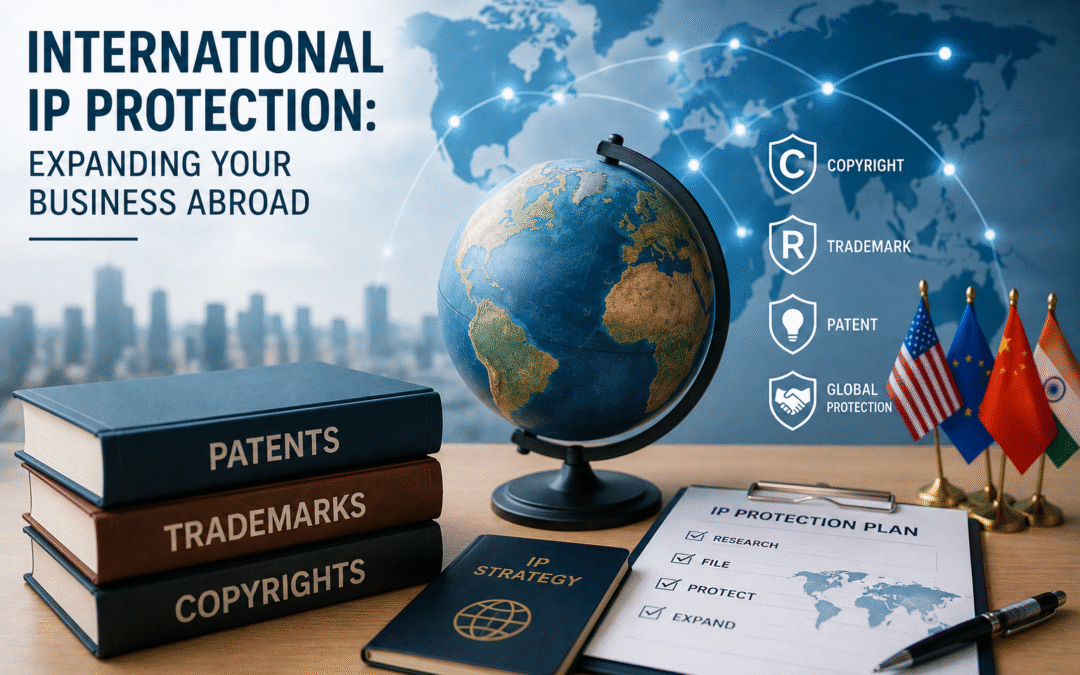
Expanding a business into new countries is an exciting milestone. However, as you move beyond domestic borders, you encounter a complex landscape regarding intellectual property rights. International intellectual property protection is not automatic; your domestic patents, trademarks, and copyrights do not provide universal coverage. Understanding how to navigate these jurisdictional differences is essential for long-term success.
The Territorial Nature of Intellectual Property
Intellectual property rights are inherently territorial. This means that a trademark registered in your home country generally provides no legal protection in another nation. If you fail to secure your rights in a target market, you risk losing your brand identity or proprietary technology to local competitors who may register similar marks or inventions first.
Why Global Strategy Matters
Without a proactive approach, your business could face costly litigation or be forced to rebrand entirely. For those interested in how digital assets interact with these laws, our recent analysis on NFT trademark disputes highlights the evolving nature of digital rights enforcement. Protecting your assets requires a clear understanding of the specific laws in each region where you operate.
Key Mechanisms for Global Protection
Several international treaties and systems exist to simplify the process of securing rights in multiple countries. While these do not create a single global patent or trademark, they provide streamlined procedures for filing applications.
- The Madrid System: A central filing process for international trademark registration.
- The Patent Cooperation Treaty (PCT): Allows applicants to seek patent protection in a large number of countries simultaneously.
- The Hague System: Facilitates the registration of industrial designs in multiple jurisdictions.
Assessing Your Risk Profile
Before entering a new market, conduct a thorough audit of your current portfolio. Identify which assets are critical to your business model and prioritize those for international filing. It is often wise to consult with legal counsel to determine whether your current intellectual property rights are sufficiently robust to withstand international scrutiny.
Practical Steps for Expansion
Building a global strategy involves more than just filing paperwork. You must monitor the market for potential infringements and be prepared to enforce your rights. Consider these steps:
- Conduct Local Searches: Ensure your brand name or technology does not conflict with existing local entities.
- Understand Local Enforcement: Research the local court system and the availability of remedies for IP theft in your target countries.
- Use Customs Authorities: In many jurisdictions, you can record your trademarks with customs officials to prevent the importation of counterfeit goods.
Conclusion
International intellectual property protection is a fundamental component of global business expansion. By understanding the territorial nature of these rights and utilizing international filing systems, you can effectively mitigate risk. Always prioritize professional legal guidance to ensure your strategy aligns with the specific requirements of each jurisdiction you enter.
Frequently Asked Questions
Is my US trademark valid globally?
No. Trademarks are territorial, meaning you must register them in each country where you intend to do business.
Can I register a patent in every country at once?
While there is no single global patent, the Patent Cooperation Treaty (PCT) allows you to file one international application that acts as a placeholder for multiple countries.
What is the first step in protecting IP abroad?
The first step is conducting a thorough audit of your existing IP and identifying the specific countries where your business has the greatest potential for growth or risk.