• AI & Tech
  • Copyright
  • Licensing
  • IP Strategy
  • Patents
  • Trademarks
Joint Inventorship Disputes: How to Avoid Ownership Issues

Joint Inventorship Disputes: How to Avoid Ownership Issues

by Rahul Kapoor | Oct 19, 2026 | Patent Law

Joint inventorship disputes can create uncertainty regarding patent rights. Understanding the distinction between inventorship and ownership is essential for protecting intellectual property.


Understanding Patent Prosecution: The USPTO Examination Process

Understanding Patent Prosecution: The USPTO Examination Process

by Rahul Kapoor | Oct 19, 2026 | Patent Law

An overview of the administrative and substantive stages of the USPTO examination process for patent applications.
Patent Litigation Funding: Pros and Cons for Plaintiffs

Patent Litigation Funding: Pros and Cons for Plaintiffs

by Rahul Kapoor | Oct 19, 2026 | Patent Law

An overview of patent litigation funding, covering how third-party capital arrangements work, potential benefits, and key considerations for plaintiffs.
Biotech Patent Trends: Navigating Evolving FDA and USPTO Standards

Biotech Patent Trends: Navigating Evolving FDA and USPTO Standards

by Rahul Kapoor | Oct 16, 2026 | Patent Law

Navigating the biotech patent environment requires an understanding of USPTO requirements and FDA regulatory processes to effectively manage intellectual property.

How to Conduct a Patentability Search: A Step-by-Step Guide

How to Conduct a Patentability Search: A Step-by-Step Guide

by Rahul Kapoor | Oct 16, 2026 | Patent Law

A patentability search is a procedural step used to identify existing inventions, known as prior art, that may impact the novelty of your concept. Learn the basics of navigating public databases.

Standard Essential Patents (SEPs) and FRAND Licensing Disputes

Standard Essential Patents (SEPs) and FRAND Licensing Disputes

by Rahul Kapoor | Oct 16, 2026 | Patent Law

An overview of Standard Essential Patents (SEPs) and the role of FRAND licensing in technology standards, including considerations for businesses involved in standard-setting.

Global Patent Strategy: Filing Under the Patent Cooperation Treaty (PCT)

Global Patent Strategy: Filing Under the Patent Cooperation Treaty (PCT)

by Rahul Kapoor | Oct 5, 2026 | Patent Law

Explore how the Patent Cooperation Treaty (PCT) simplifies the initial stages of international patent filing and supports a broader intellectual property strategy.
Public Disclosure and Patent Rights: The One-Year Grace Period

Public Disclosure and Patent Rights: The One-Year Grace Period

by Rahul Kapoor | Oct 5, 2026 | Patent Law

Discover how the U.S. patent one-year grace period functions, the limitations of this provision, and why early filing remains the best strategy for protecting your invention.
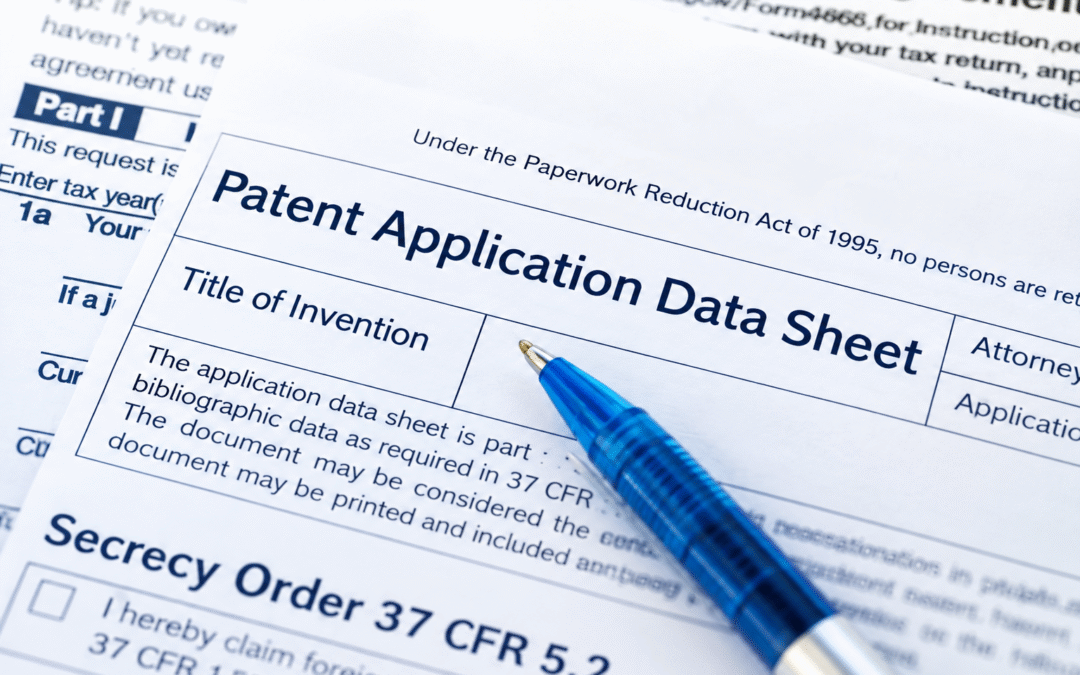
Provisional vs. Non-Provisional Patent Applications: Which to Choose?

Provisional vs. Non-Provisional Patent Applications: Which to Choose?

by Rahul Kapoor | Oct 5, 2026 | Patent Law

Learn the core differences between provisional and non-provisional patent applications and how each impacts your intellectual property strategy.

Patent Trolls and NPEs: How to Defend Your Small Business

Patent Trolls and NPEs: How to Defend Your Small Business

by Rahul Kapoor | Oct 5, 2026 | Patent Law

Receiving a patent infringement notice can be stressful. Learn how to identify Non-Practicing Entities and take a measured, professional approach to managing these claims.

« Older Entries

Topics

Patent Law

Trademark Law

Copyright Law

IP Licensing & Transactions

IP Strategy

© 2026 theiplegal.com. For information only; not legal advice.

  • Follow
  • Follow
Manage Consent
To provide the best experiences, we use technologies like cookies to store and/or access device information. Consenting to these technologies will allow us to process data such as browsing behavior or unique IDs on this site. Not consenting or withdrawing consent, may adversely affect certain features and functions.
Functional Always active
The technical storage or access is strictly necessary for the legitimate purpose of enabling the use of a specific service explicitly requested by the subscriber or user, or for the sole purpose of carrying out the transmission of a communication over an electronic communications network.
Preferences
The technical storage or access is necessary for the legitimate purpose of storing preferences that are not requested by the subscriber or user.
Statistics
The technical storage or access that is used exclusively for statistical purposes. The technical storage or access that is used exclusively for anonymous statistical purposes. Without a subpoena, voluntary compliance on the part of your Internet Service Provider, or additional records from a third party, information stored or retrieved for this purpose alone cannot usually be used to identify you.
Marketing
The technical storage or access is required to create user profiles to send advertising, or to track the user on a website or across several websites for similar marketing purposes.
  • Manage options
  • Manage services
  • Manage {vendor_count} vendors
  • Read more about these purposes
View preferences
  • {title}
  • {title}
  • {title}