
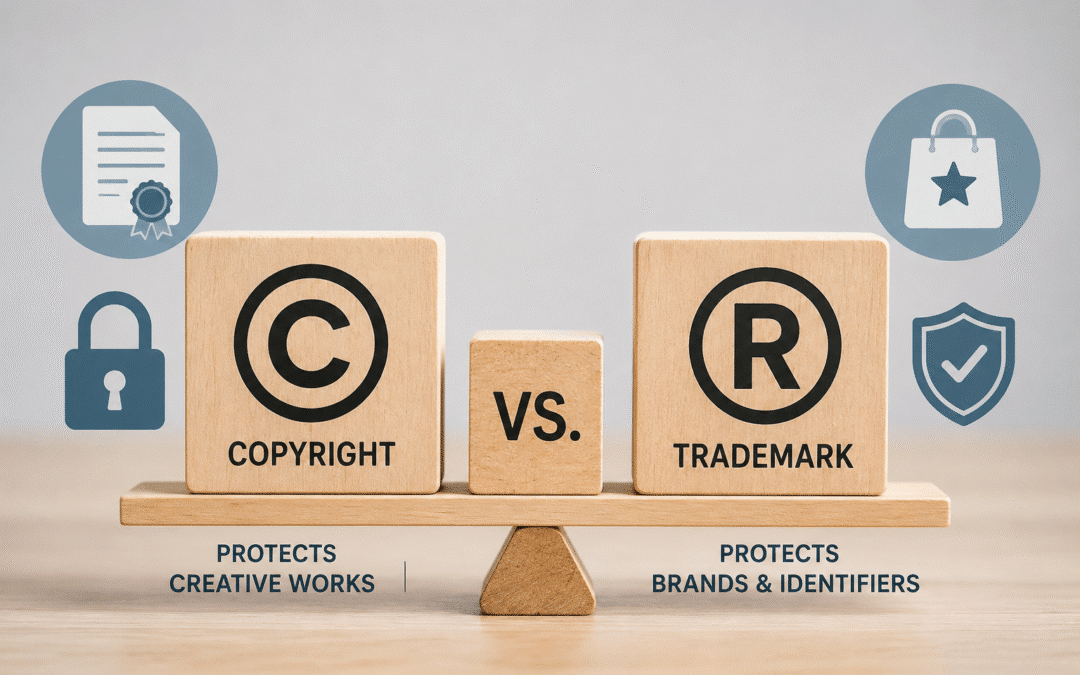
What is Copyright?
Copyright is a form of intellectual property protection granted to the authors of original works of authorship. This includes literary, dramatic, musical, and artistic works, such as poetry, novels, movies, songs, computer software, and architecture. Essentially, copyright protects the expression of an idea rather than the idea itself.
When you create an original work, copyright protection typically attaches the moment the work is fixed in a tangible medium of expression. This means that as soon as you write a story on paper or save a digital design file, you hold the copyright to that specific expression. It grants the owner exclusive rights to reproduce, distribute, perform, display, and create derivative works.
What is a Trademark?
While copyright protects creative works, a trademark protects the identity of a brand. A trademark is any word, name, symbol, device, or combination thereof used to identify and distinguish the goods or services of one manufacturer or seller from those of others. It acts as a source indicator for consumers.
Think of famous logos like the Nike “swoosh” or brand names like “Apple.” These do not exist to protect the artistic creation itself, but rather to ensure that when a consumer sees that mark, they know exactly who provided the product. This prevents market confusion and protects the reputation of the business.
Key Differences: A Quick Comparison
To better understand the distinction, consider these primary areas of divergence:
- Purpose: Copyright protects creative expression; trademark protects brand identity and source origin.
- Subject Matter: Copyright covers books, art, music, and software. Trademarks cover logos, slogans, brand names, and sometimes even sounds or colors associated with a brand.
- Duration: Copyright usually lasts for the life of the author plus 70 years. Trademarks can last indefinitely, provided the owner continues to use the mark in commerce and files the necessary renewal documents.
- Registration: While copyright exists upon creation, formal registration provides additional legal benefits, such as the ability to sue for statutory damages. Trademarks often require a more rigorous registration process to secure nationwide protection.
How They Can Overlap
It is important to note that a single asset might sometimes qualify for both types of protection. For instance, a company logo might be protected by copyright as an artistic work, while also being registered as a trademark to protect the brand’s commercial identity. Understanding these nuances is increasingly relevant in digital spaces, as seen in our recent analysis of how NFTs can intersect with trademark law.
Why Protection Matters
Failing to secure your intellectual property can leave your business vulnerable. Infringement can lead to loss of revenue, brand dilution, and costly legal disputes. By distinguishing between copyright and trademark, you can build a more effective strategy for protecting your assets. If you are unsure about your specific situation, consulting with a professional is the best way to ensure your rights are properly documented and enforced.
Conclusion
Copyright and trademark are the pillars of intellectual property law, but they serve different masters. Copyright guards the fruits of your creativity, while trademark guards the reputation of your business. By respecting these boundaries and proactively managing your portfolio, you ensure that your hard work remains your own. For ongoing guidance on protecting your creative and commercial assets, keep following our updates at The IP Legal.