
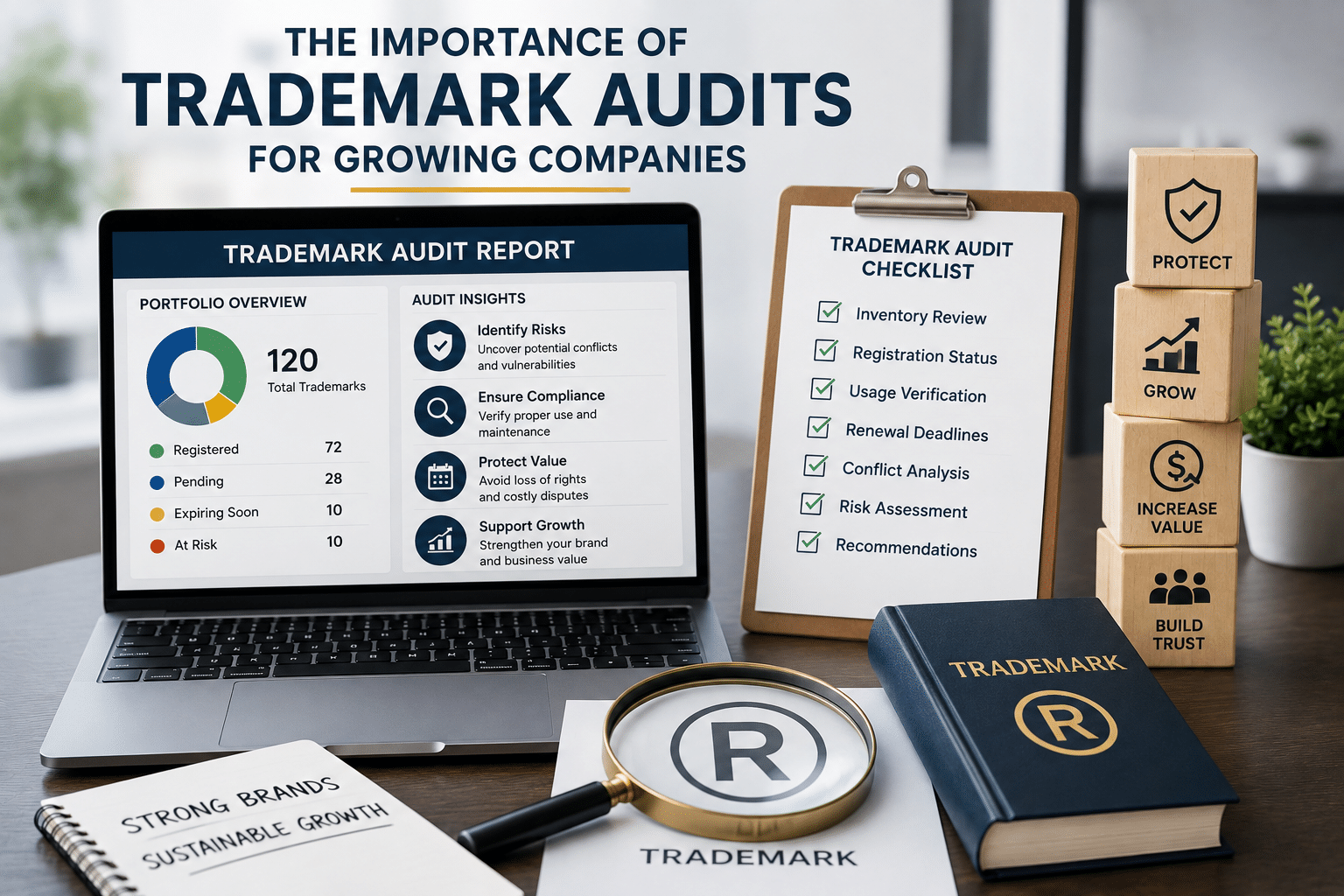
For many growing companies, the focus is often on product development, market expansion, and customer acquisition. However, as your brand visibility increases, so does your exposure to potential intellectual property disputes. A trademark audit is a systematic review of your company’s brand assets to ensure they are properly registered, maintained, and enforced. Understanding the core trademark audit benefits is essential for any business leader looking to safeguard their long-term growth.
Understanding the Trademark Audit Benefits
A trademark audit serves as a health check for your brand portfolio. It allows you to identify gaps in your protection, assess the strength of your current marks, and determine whether your existing registrations cover your current and future business activities. By proactively managing your portfolio, you avoid the high costs of reactive litigation.
Identifying Protection Gaps
As you expand into new product lines or geographic regions, your original trademark filings may no longer provide adequate coverage. An audit reveals whether you are operating under marks that are unregistered or if your current registrations are too narrow to cover your evolving service offerings. For more context on evolving digital risks, see our article on NFTs and trademark rights.
Ensuring Portfolio Maintenance
Trademark registrations are not set-and-forget assets. They require periodic filings to prove continued use and to renew protection. Missing these deadlines can lead to the cancellation of your marks, leaving your brand vulnerable to copycats. A regular audit ensures that all administrative requirements are met on time.
Key Components of a Successful Audit
Conducting a thorough review involves several critical steps:
- Inventorying all current trademarks, including logos, slogans, and product names.
- Reviewing the status of all pending applications and active registrations.
- Analyzing whether your current use of the mark matches the goods and services listed in your registration.
- Assessing whether any third parties are infringing upon your rights or if your own marks are inadvertently infringing on others.
Scaling Your Brand Safely
Growth often brings complexity. If you are preparing for a merger, acquisition, or a round of funding, investors will perform their own due diligence on your intellectual property. Having a clean, well-documented trademark portfolio demonstrates that you have taken the necessary steps to protect your brand value. If you are unsure where to start, you can review our home page for more information on our legal services.
Conclusion
The benefits of a trademark audit extend far beyond simple compliance. By identifying potential risks early, you protect the significant investment you have made in your brand identity. Whether you are a startup entering a new market or an established company diversifying your portfolio, regular audits are a vital component of a sound intellectual property strategy. If you have concerns about your current portfolio, it is recommended to consult with a qualified legal professional to discuss your specific needs.
Frequently Asked Questions
How often should a company perform a trademark audit?
Most companies should conduct a comprehensive trademark audit at least once every two to three years, or whenever the business undergoes a significant change, such as a rebranding or expansion into new markets.
What happens if an audit reveals an unregistered mark?
If an audit identifies an important brand asset that is not registered, the recommended course of action is to evaluate the strength of the mark and consider filing for federal trademark protection to secure your rights.